← Lana Development | Projects | Contact

Category: Real Estate

  • Don’t invest in pre-construction

    Real estate has consistently been a steadfast choice in high-net-worth investments, offering a blend of stability, capital appreciation, and tangible asset value. Pre-construction properties have garnered significant attention among the myriad of real estate investment avenues. However, it is imperative to examine whether pre-construction real estate indeed constitutes an investment or if it is more accurately classified as speculation. This discourse aims to elucidate the speculative underpinnings of pre-construction real estate ventures, particularly emphasizing that the developer’s profit is inherently embedded in the pre-construction price, thus making any potential gains highly contingent on market dynamics at the time of delivery.

    Understanding Pre-Construction Real Estate

    Pre-construction real estate refers to properties that are sold before their completion. Investors are presented with an opportunity to purchase these properties based on architectural plans, renderings, and the developer’s track record. The allure of pre-construction investments often lies in the perceived benefits of buying at a lower price point, with the expectation that property values will be appreciated by the time of project completion. However, this expectation is precisely where the speculative nature of such investments becomes apparent.

    Embedded Developer Profit: A Critical Consideration

    One fundamental aspect differentiating pre-construction purchases from other forms of real estate investment is the developer’s profit in the price. Developers meticulously calculate and incorporate their profit margins, construction costs, and an array of contingencies into the pricing structure of pre-construction units. Consequently, the price at which investors buy these units already encompasses the developer’s anticipated profit.

    This intrinsic inclusion of profit raises a pivotal question: if the developer’s profit is already accounted for in the pre-construction price, what margin remains for the investor? The answer hinges on market conditions at the time of completion, which are inherently unpredictable. Therefore, the investor speculates that the market will continue on an upward trajectory, allowing them to sell the property at a premium upon completion.

    Speculation versus Investment: A Distinction

    An investment is typically characterized by a calculated risk underpinned by thorough analysis and a reasonable expectation of generating returns based on intrinsic value and market fundamentals. Conversely, speculation involves a higher degree of risk, often reliant on market sentiment and external variables that could be more predictable and easier to quantify.

    Pre-construction real estate purchases align more closely with the latter. Investors are primarily betting on future market conditions, which encompass a multitude of variables, including economic trends, interest rates, geopolitical factors, and shifts in demand and supply dynamics. Unlike traditional real estate investments, where value can be derived from existing market data, rental income, and property improvements, pre-construction investments lack these tangible metrics, amplifying the transaction’s speculative nature.

    Market Volatility and Uncertainty

    The real estate market is inherently cyclical, influenced by a broad spectrum of economic and societal factors. While robust growth and appreciation periods are not uncommon, downturns and market corrections are equally prevalent. The speculative nature of pre-construction investments becomes starkly evident during such downturns. Should the market experience a correction or a slowdown by the time the property is completed, investors might find themselves in a precarious position, owning a property worth less than their purchase price.

    Moreover, the time horizon between purchasing a pre-construction property and its completion can span several years. Numerous unforeseen events can transpire within this timeframe, including changes in regulatory environments, shifts in consumer preferences, and macroeconomic disruptions. These factors further underscore the speculative risks inherent in pre-construction real estate investments.

    Opportunity Cost and Liquidity Concerns

    Investing in pre-construction properties also entails significant opportunity costs. Capital tied up in a pre-construction project cannot be allocated to other potentially lucrative investment opportunities. High-net-worth individuals often have access to diverse investment vehicles, ranging from equities and bonds to private equity and hedge funds. The illiquid nature of pre-construction investments can impede the ability to pivot and reallocate resources in response to changing market conditions.

    Furthermore, should an investor wish to exit a pre-construction investment before completion, they may encounter substantial liquidity challenges. The secondary market for pre-construction contracts is typically less liquid and can be fraught with complications, including transfer fees, legal restrictions, and a limited pool of potential buyers.

    Mitigating Speculative Risks

    While the speculative nature of pre-construction real estate is evident, strategies exist to mitigate associated risks. Thorough due diligence is paramount. Investors should scrutinize the developer’s track record, financial health, and project location and conduct a comprehensive market analysis to gauge potential demand and supply dynamics upon completion.

    A better risk-adjusted scenario is to co-invest with Developers like Lana Development (www.lanadevelopment.com) as limited partners from the initial stages. The investor will potentially run the same risks as the pre-construction buyer. However, they will invest at cost and share profits with the developer.

    On another note, pre-construction purchases make sense for users who want to lock in their price for real estate they don’t plan on selling.

  • Margins compression on the Real Estate Market: A path to innovation for Developers

    Margins compression on the Real Estate Market: A path to innovation for Developers

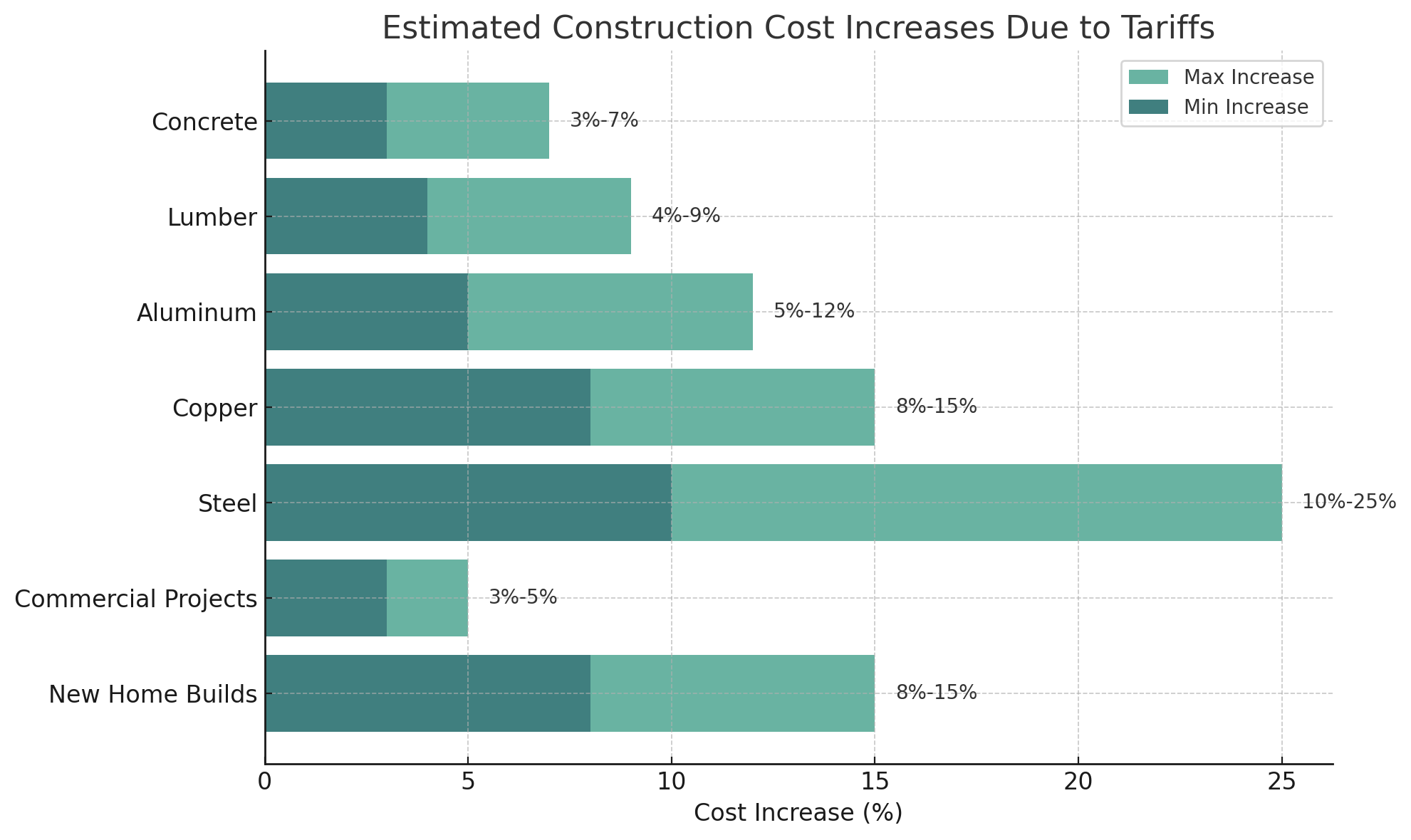
    In today’s real estate market, investors and developers are confronted with the critical issue of margin compression, driven by a combination of factors such as fluctuating interest rates, rising construction material costs, increasing labor expenses, and escalating insurance premiums. This challenging landscape necessitates a fundamental reassessment of traditional practices and a proactive embrace of innovation to navigate the complexities ahead.

    Photo of business partners in helmets on background of modern office building

    Stakeholders in the real estate sector are acutely aware of the impact of margin compression, prompting a call for a deep understanding of the intricate elements influencing profitability and sustainability in the industry. With interest rates in constant flux, construction material prices climbing, labor costs on the rise, and insurance expenses mounting, industry players are compelled to devise strategic approaches to ensure long-term viability amid these challenges.

    Despite these obstacles, there exists an opportunity for revitalization and transformation within the real estate realm. Developers, in particular, are encouraged to rethink their construction methods and sales systems, leveraging cutting-edge technologies, sustainable building practices, and efficient project management strategies to boost operational efficiencies and manage cost escalations effectively. By modernizing outdated sales systems, developers can enhance customer experiences and deliver enhanced value to all stakeholders involved.

    To navigate the intricacies of the current real estate landscape, a forward-thinking and optimistic perspective is crucial for both investors and developers. Embracing innovation and adaptability is key to positioning oneself favorably amid margin compression challenges. Exploring unconventional construction approaches like modular construction, 3D printing, and sustainable building techniques can optimize costs and project timelines.

    Moreover, a shift towards digitalization and automation in sales and marketing processes can streamline operations, minimize overheads, and enhance customer engagement. Implementing technology-driven solutions such as virtual property tours, online viewing platforms, and data analytics can revolutionize traditional sales strategies prevalent in the industry.

    In conclusion, the real estate market presents challenges and opportunities for investors and developers alike. Margin compression, a product of diverse economic forces, calls for a strategic response centered on innovation, efficiency, and adaptability. By reimagining construction practices, embracing sustainability, and revolutionizing sales systems, stakeholders can navigate the market intricacies and unlock new avenues for growth and success in the foreseeable future. The real estate industry can evolve and thrive in the years ahead through a commitment to innovation and a proactive approach to change.

  • Understanding the implications of stubborn inflation on your real estate investments is crucial for making informed decisions

    Stubborn inflation can positively and negatively affect various real estate sectors, presenting a complex picture for investors.

    In the warehouse segment, rising construction costs due to inflation can amplify the expenses of developing new industrial spaces. This may lead to higher leasing rates, potentially affecting tenant demand and impacting the overall profitability of warehouse investments. However, warehouses can benefit from increased rents as businesses seek storage solutions in response to rising costs, potentially offsetting inflationary pressures.

    In the multifamily sector, stubborn inflation can increase operational costs, including maintenance, insurance, utilities, and property management expenses. Landlords may find it challenging to pass these increased costs to tenants, especially in rent-controlled areas, affecting the cash flow of multifamily properties. Additionally, higher inflation can lead to increased borrowing costs for developers, potentially slowing down new construction projects and limiting the expansion of the multifamily housing market.

    Triple net (NNN) deals, where tenants cover expenses like property taxes, insurance, and maintenance, may face challenges in a high-inflation environment. While these leases protect rising operating costs, landlords may still encounter difficulties adjusting lease terms to keep pace with inflation. Investors in NNN properties may need to carefully assess lease agreements and tenant creditworthiness to mitigate risks associated with inflation eroding rental income. Conversely, NNN properties can offer stability and consistent income streams, making them an attractive option for investors seeking to hedge against inflation in their real estate portfolios.

    Stubborn inflation poses formidable challenges to new construction of single-family homes, elevating material costs, labor expenses, and financing rates. As construction expenses escalate, developers encounter obstacles in maintaining affordability for buyers while striving for profitability. Higher home prices may dampen demand, impacting the market’s equilibrium. Rising interest rates can further strain developers’ access to funding, potentially slowing down construction activities and limiting the supply of new homes. Navigating these inflationary headwinds demands strategic cost management, innovative solutions, and adaptive approaches to sustain growth and viability in the single-family home construction sector.

    A real estate investor should associate with seasoned professionals who have better navigated inflationary times to face these challenging scenarios.

  • Demography and real estate markets shift

    Demographic shifts change #markets. Particularly on #realestate. The new trends are in favor of #singlefamilyhome portfolios instead of #multifamilyhousing properties. The reason is the exit strategy. While you can easily dispose of a #SFH, disposing of a multifamily property on a high vacancy market in a profitable way, requires the stress of doing a #condominium conversion and selling individual units.

    For more detailed info look at the entire original post at: Demographics: Renting vs. Owning by Calculate Risk.

  • Eleven exciting types of passive real estate investment

    Investment for capital gain

    1. Land bank
      Investment often means getting to know a bunch of obscure phrases and having to work out what they mean. That’s not the case here! Investing in vacant land is just like putting money in the bank, except it will earn far, far more interest.
    2. Development
      If you invest your money in vacant land in the right location you can get a great return: but if you’re willing to put in a little more work and investment to get the land developed it will be worth even more. The investment cycle will be long, typically 25-35 months.
    3. Fix & Flip
      House flipping involves buying a low-priced property, then improving it to sell it at a profit. It sounds simple, but it’s not easy or quick work to find properties at the right price; find contractors who can do the requisite work quickly and well; list the property at the right price; find a buyer and negotiate an offer, and close on it. These factors make it the perfect candidate for the turn-key model of investment. This is a short cycle investment of 4-8 months.

    Buy & Hold: investment for recurring income

    1. SFH – Single Family homes
      This is the classic landlord-tenant model of real estate investment: the landlord buys a property, rents it out to a single household, then pays the costs of mortgage, maintenance and so on while receiving the rent as monthly income – which goes up enormously once the mortgage is paid off.
    2. Multifamilies
      In many areas, multifamily properties will bring in higher returns than a single-family house. The high-cost initial outlay and time-consuming ongoing maintenance mean this approach.. is far more achievable through the turn-key model.
    3. Commercial buildings
      1. NNN Retail
        “NNN” stands for ‘triple net’, referring to a commercial real estate arrangement whereby the tenant is liable for real estate taxes, insurance, and maintenance. These bring a lower return than some projects might; but they are attractive,. stable deals.
      2. Stripmalls
        Local, multi-tenant retail strips bring all the benefits of any real estate investment with one big extra bonus: with multiple tenants representing multiple retail sectors, a stripmal is a diversification wonderland!
      3. Shopping Malls
        Shopping centers offer a similar opportunity to make a large profit – but there’s a huge investment required. Be sure to invest in a great location with a diversity of tenants.
      4. Medical facilities
        Healthcare real estate is a great bet for investors because of the stability of the sector – no matter the state of the economy, there will still be great (and growing) demand for doctors.
      5. Office buildings
        This is a gradually growing sector, and one of its most attractive features is . its diversity: office buildings come in all shapes and sizes, making them attainable for many different levels of invest.
      6. Warehouses
        You can easily make more money from a vacant warehouse by finding a better use for the spa: take on a tenant, or simply convert the building to a self-storage facility.
  • Types of investment for Recurring Income

    SFH – Single Family homes

    This is the classic landlord-tenant model of real estate investment: the landlord buys a property, rents it out to a single household, then pays the costs of mortgage, maintenance and so on while receiving the rent as monthly income – which goes up enormously once the mortgage is paid off.

    Multifamilies

    In many areas, multifamily properties will bring in higher returns than a single-family house. The high-cost initial outlay and time-consuming ongoing maintenance mean this approach is far more achievable through the turn-key model.

    Commercial buildings

    1. NNN Retail
      ‘NNN’ stands for ‘triple net,’ referring to a commercial real estate arrangement whereby the tenant is liable for real estate taxes, insurance, and maintenance. These bring a lower return than some projects might, but they are attractive, stable deals.
    2. Strip Malls
      Local, multi-tenant retail strips bring all the benefits of any real estate investment with one big bonus: with multiple tenants representing multiple retail sectors, a strip mall is a diversification wonderland!
    3. Shopping Malls
      Shopping centers offer a similar opportunity to make a large profit – but there’s a huge investment required. Be sure to invest in a great location with a diversity of tenants.
    4. Medical facilities
      Healthcare real estate is an excellent bet for investors because of the stability of the sector – no matter the state of the economy, there will be (and growing) demand for doctors.
    5. Office buildings
      This is a gradually increasing sector, and one of its most attractive features is its diversity: office buildings come in all shapes and sizes, making them attainable for many different investors.
    6. Warehouses
      You can easily make more money from a vacant warehouse by finding a better use for space: take on a tenant, or convert the building to a self-storage facility.
  • What to look for in a Sponsor you want to invest with?

    Knowledge of the market

    It’s vital to do your research, but ultimately you have to be able to trust that your local partner investment manager knows more about the local real estate market than you do. The key word here is ‘local’: you need the company or person that manages your real estate investment to have a comprehensive understanding not only of the state and trends in the real estate market, how they apply to the city or state where your investment property is located.

    Expertise in the segment

    The most vital thing to bear in mind is whether the company you’re investing with has sufficient experience and know-how to operate successfully in the relevant segment of the market for your investment.

    Is it possible for a local partner investment manager to apply their experience from one area of the real estate market to develop expertise in another? Sure – but it’s your money they’ll be using to practice. Find a company/person with extensive knowledge.

    Project history & track record

    How do you assess the investment manager’s level of expertise? Ask about their portfolio and look into their track record. And I mean all of it – if they’re offering to manage your property once it’s rented out, make sure they have a background in doing that too.

    Remember, it’s not just a numbers game. Does their track record reflect their experience in the kind of neighborhood, tenant demographic and price range you’re looking at?

    Reliability & transparency

    Of course, any investment manager will describe themselves as reliable and insist that they are transparent. But how can you tell?

    Ask to see the reports they intend to send you. See if they suffice. Talk to previous investors.

    One red flag is the offer of guarantees. There are no guarantees in real estate, and if you’re in the right market, you really shouldn’t need one.

    Investor-aligned interests

    An unfortunate number of investment managers take advantage of the limited local knowledge of out-of-state investors to sell their properties above market value. Do your research to find out what kind of experience other investors have had with the company before you get involved.

    Credit and ability to financially leverage the project

    The last thing you want when you put your money into any kind of investment is to be let down because you were misled about another party’s ability to contribute. Find out whether the company can put up the money you need by looking into older projects and getting their bank LOI for the new transaction.

  • Three things to know before investing in Real Estate

    1. Understand the real estate cycle before investing

      The first thing we need to know to start to analyze any real estate opportunity is to understand where we are on the real estate cycle. And this is extremely local. What happens in a specific neighborhood might be completely different from 5 miles away. Are we on an uptrend or downturn? How long has the market been on that stage? What are price trends signaling? Is the market changing or close to a change?Although there are good real estate investments in every cycle, different markets require different approach and investment strategies.

    2. Follow demographic trends

      Nothing is more powerful then demographic trends. They can override economic cycles creating a different reality in a specific city or state. Fundamentally, we need to be aware of the social-economic changes. Watch out for migration and age shift trends as they require specific products and services.

    3. Always buy cheap

      It is very difficult to make returns out of an overvalued property. Do a thorough real estate comparables analysis before any purchase.