← Lana Development | Projects | Contact

Tag: South Florida coastal development

  • Why U.S. Real Estate Investment Remains a Smart Choice in 2026 — And Where the Structural Shift Is Real

    For accredited investors, family offices, and international allocators evaluating U.S. real estate investment in 2026, the fundamental question is not whether the asset class is attractive — the data settles that. The real question is where in the U.S. to be, what product to hold, and how to structure the exposure. This article walks through the macro case for U.S. real estate, and then focuses on where the structural shift is most acute and most durable: South Florida coastal.

    The macro case for U.S. real estate investment

    The United States remains the deepest, most transparent, and best-protected real estate market in the world. The Federal Housing Finance Agency’s House Price Index shows steady long-term appreciation across cycles. Property-title systems give both domestic and foreign buyers legally enforceable rights that most global markets simply cannot match. Foreign ownership faces almost no restrictions — a rarity globally.

    Population dynamics are equally supportive. According to the U.S. Census Bureau and IRS Statistics of Income migration data, between 2020 and 2025 net domestic migration to the Sunbelt exceeded 4 million people, with a disproportionately high-income skew. This is not a speculative wave. It is permanent household relocation driven by tax policy, cost-of-living arbitrage, and lifestyle preference.

    But “U.S. real estate is a good investment” is too broad to be actionable. Within the U.S., the outperformance is heavily concentrated. Let’s talk about where and why.

    Florida: the clearest structural shift in U.S. real estate investment

    Florida added more than 1.9 million residents between 2020 and 2025 — the equivalent of adding a city the size of Philadelphia. According to IRS SOI migration data, the average adjusted gross income of movers from New York exceeded $120,000; from Connecticut, $130,000. Florida has now absorbed more than $36 billion in annual adjusted gross income inflow.

    Three drivers make this durable:

    1. The tax advantage is constitutional. Florida requires a legislative supermajority to impose a state income tax. There is no serious political movement to change it. For a household earning $1M annually, the move from New York to Florida is worth roughly $90,000–$110,000 per year in preserved wealth.
    2. Supply cannot keep up. Coastal land is finite. Buildable footprint in Miami-Dade, Broward, and Palm Beach is constrained by ocean, wetlands, conservation areas, and post-Surfside code updates. Permitting runs 8–18 months in most premium submarkets.
    3. Construction costs are up 35–40% since 2020. According to the CoreLogic Construction Cost Index and BLS JOLTS data, labor shortages and material inflation have raised the barrier to new supply significantly — which structurally protects developers who can build at cost.

    Where investors get U.S. real estate investment wrong

    The most common mistake we see accredited investors make is treating “Florida real estate” as a monolith. Central Florida buy-and-flip strategies, Orlando short-term-rental plays, and Miami condo pre-construction each carry very different risk profiles. The strongest fundamentals concentrate in a specific set of coastal submarkets — Brickell and downtown Miami, Fort Lauderdale/Victoria Park corridor, Boca Raton and Deerfield Beach, and select 30A locations — where lifestyle demand, physical supply constraints, and buyer demographics converge.

    At Lana Development, our Coastal Living Collection portfolio strategy targets exactly this convergence: new-construction luxury residential in Florida’s most resilient coastal corridors, with cycles short enough to compound returns and exits structured at delivery rather than through long-term hold.

    The developer question that matters more than the market question

    Once you’ve decided where to be, the second question — who’s building your investment — matters just as much. According to research from the McKinsey Global Institute (“Reinventing Construction”), the average large construction project runs 16% over budget and 20% over schedule. That gap comes directly out of investor returns.

    A developer who outsources construction to a third-party general contractor absorbs a 15–20% GC markup, is exposed to change-order inflation, and has limited real-time visibility into the project. A developer who is itself a licensed general contractor eliminates the markup, controls the timeline, and can course-correct in weeks instead of quarters. On a $12M build, the difference can exceed $3M in preserved value — every dollar of which flows to the project’s return profile.

    This is the single most important structural question an accredited investor should ask about any real estate opportunity, and it is the reason Lana operates as both developer and licensed GC.

    Investment structures every accredited investor should understand

    Once you’ve settled on market and sponsor, the vehicle matters. Broadly, an accredited investor has four choices:

    • Public REITs — liquid, correlated with equity markets, high fees, dilute performance across hundreds of positions.
    • Private funds — blind pools, limited transparency, layered fees, long durations.
    • Traditional syndications — single-asset exposure, but often with promote structures that misalign GP and LP incentives.
    • Direct co-investment with a developer — single project, transparent economics, identical terms as the sponsor, distributions at exit.

    Each has a role. Our view is that direct co-investment with a developer who invests its own capital alongside LPs offers the cleanest alignment for accredited investors — because there is no scenario where the sponsor wins if the LPs don’t.

    Tax and legal considerations for U.S. real estate investment

    Direct ownership of U.S. real estate is broadly open to non-U.S. persons. Structures like LLCs, LPs, and (for certain investors) EB-5 pathways provide flexibility. The tax code allows depreciation to offset rental income, and 1031 exchanges permit deferral into like-kind assets. For foreign investors, tax treaties may minimize double taxation on repatriated proceeds — proper legal and tax counsel is essential and should be secured before any capital moves.

    The bottom line on U.S. real estate investment in 2026

    U.S. real estate remains one of the most durable investment categories in the world. But durability isn’t uniformly distributed. In 2026, the highest-conviction opportunity we see is in the coastal South Florida corridor — where structural demand and structural supply constraint have converged in a way that we don’t expect to reverse this decade. And the sponsor question — outsourced GC vs. in-house GC — matters more than most investors realize.

    If you’d like to talk through how any of this applies to your allocation strategy, schedule a 15-minute conversation with Luis Noronha.

    External sources

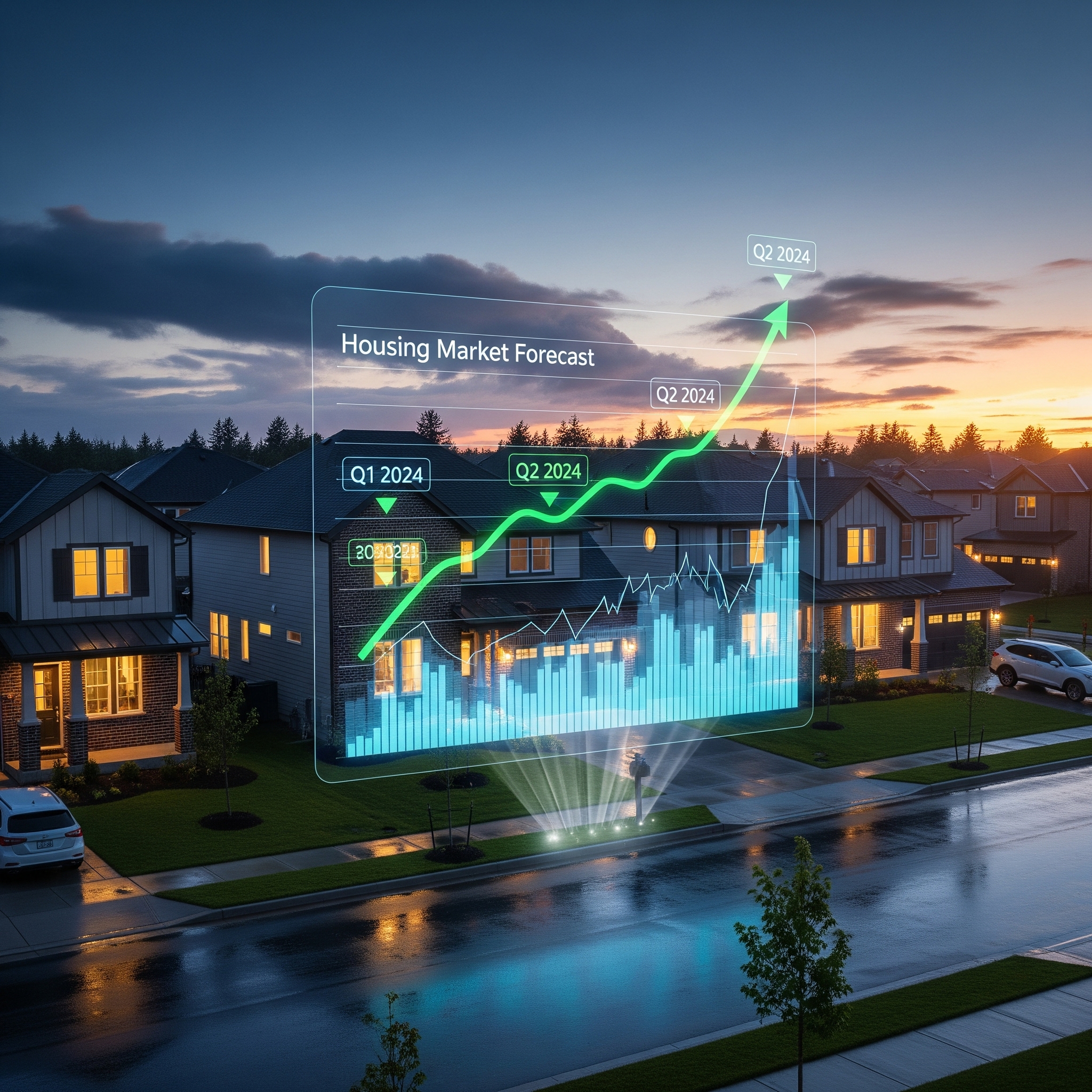
  • Housing Market Predictions 2025–2029

    Housing Market Predictions

    Housing Market Predictions for Next 5 Years: 2025 to 2029

    The U.S. housing market stands at a pivotal juncture, shaped by a shifting economic landscape, evolving demographics, and technological disruption. With rising interest rates, changing consumer behavior, and a highly dynamic global context, the market outlook for the next five years—from 2025 to 2029—demands deep analysis and precise forecasting. For real estate developers, investors, and housing policy experts, understanding these dynamics will be critical to capitalizing on opportunities and mitigating risks in residential real estate.

    In this post, we explore expert-driven forecasts on home price trends, geographic growth hotspots, demographic influences, rental market trajectories, and risk factors that are likely to influence the U.S. housing market’s evolution through 2029.

    Home Price Trends and Regional Variations

    After a decade of largely bullish trends in housing prices—punctuated briefly by the market corrections of the early 2020s—the next five years are expected to see more nuanced, regionally diverse growth patterns. According to projections by Fannie Mae and the National Association of Realtors, national home price appreciation will moderate to an annual average of 2.5% to 4%, far below the feverish double-digit growth of 2020-2021.

    However, this cooling will not uniformly affect all markets. Sun Belt cities such as Austin, Phoenix, and Tampa, which experienced explosive growth in the 2020s, may face continued price volatility due to affordability issues and overbuilding. In contrast, mid-size metros in the Midwest—think Columbus, Indianapolis, and Minneapolis—are forecast to emerge as more stable markets with steady year-over-year price growth and increased institutional investment interest.

    Housing affordability will also remain an enduring concern. High mortgage rates—projected to hover between 5.5% and 6.5% through 2029—combined with constrained new housing supply in desirable urban and suburban areas, are likely to keep price-to-income ratios well above historical norms. Market analysts predict a sustained inventory shortage, mainly affecting entry-level homes, which may hinder demand despite buyers’ intent.

    Demographic Drivers and Demand Shifts

    From 2025 through 2029, demographic patterns will exert a powerful influence on both housing demand and design. The maturation of Millennial and early Gen Z cohorts into their peak homebuying years promises a significant baseline of demand. Millennials, many of whom postponed homeownership due to student debt and economic instability, will likely drive the market for both single-family homes and urban condos—especially in lifestyle-centric, affordability-advantaged metros.

    Concurrently, Baby Boomers are downsizing at record levels, reshaping inventory flows and property types coming to market. This generational shift opens avenues for developers focusing on active adult and mixed-use communities tailored for aging residents. Expect a growing demand for aging-in-place features, energy efficiency, and smart home technologies in newly built homes targeting older, mobile populations.

    Meanwhile, immigration policy will play a wildcard role. Should immigration rates recover post-2025 due to policy changes or labor market needs, the influx of new residents can buoy demand in both urban rental markets and first-time buyer segments.

    Rental Market Projections and Multifamily Developments

    The rental housing market, after undergoing significant volatility during the COVID-19 era, is projected to strengthen in the second half of the 2020s. Rising interest rates will push more younger consumers into renting for longer durations. Urban centers offering high-wage job clusters, such as Boston, Seattle, and Denver, are expected to see increased renter demand that outpaces residential construction starts, leading to upward pressure on rents.

    According to the Urban Land Institute, multifamily development will remain a top investment arena for institutional investors, increasingly focused on environmentally certified, tech-enabled, and transit-accessible properties. Suburban build-to-rent (BTR) communities—a hybrid between single-family homes and traditional multifamily—are poised for rapid expansion, serving middle-income households priced out of ownership yet seeking space and amenities.

    Land use reform and zoning changes at the municipal level could further accelerate multifamily construction. Cities such as Minneapolis, Portland, and Charlotte have already begun implementing reforms to permit higher-density projects in traditionally single-family zones, paving the way for new development pipelines that align with changing societal norms and sustainability imperatives.

    Technological Disruption and Infrastructure Development

    Technology will continue to reshape the housing development landscape between 2025 and 2029. Proptech innovations—including AI-driven valuation tools, blockchain-enabled property transactions, and digital twin modeling—will enhance project viability analyses, streamline sales, and reduce costs. Automation in construction, like 3D-printed housing components and modular prefabrication, will play pivotal roles in addressing labor shortages and affording faster project timelines.

    Broadband expansion and remote work adoption will also shift geographical demand. Second-tier and “Zoom Town” markets—such as Bozeman, Chattanooga, and Spokane—will thrive as viable alternatives for professionals seeking lifestyle affordability without sacrificing connectivity or amenities. Infrastructure investments authorized under the 2021 Infrastructure Investment and Jobs Act will further catalyze residential development in previously underutilized growth corridors, especially near new transit lines or logistics hubs.

    Key Risks and Market Uncertainties

    No housing market forecast is complete without considering downside scenarios. The most salient risks facing the housing market through 2029 include:

    • Interest Rate Volatility: The possibility of higher-than-expected inflation or sustained monetary tightening could lead to prolonged periods of elevated borrowing costs, reducing affordability and slowing transaction volumes.
    • Geopolitical Disruptions: Global instability—whether from armed conflicts, climate-related migration shocks, or commodity price instability—could reverberate through capital markets and affect construction costs and buyer sentiment.
    • Regulatory Constraints: Housing development continues to be heavily localized, subject to zoning, permitting, and NIMBY opposition. Delayed entitlements, litigation, and construction hurdles will challenge timeline and cost structures, particularly in high-demand urban cores.
    • Climate Risk: Increasingly, climate change is shaping both insurance pricing and development feasibility. Markets vulnerable to hurricanes, wildfires, or water scarcity (e.g., Florida, California, Arizona) may see declining investor appetite, while “climate-resilient” cities could ascend in strategic prominence.

    Investment Opportunities for Developers and Stakeholders

    Despite a moderated growth landscape, opportunities abound for stakeholders who align their strategies with demographic realities, technological shifts, and local policy trends. Key investment themes anticipated between 2025 and 2029 include:

    • Attainable Housing: Developing mid-tier homes with efficient footprints, shared amenities, and affordability incentives will address acute shortages and appeal to underserved segments.
    • Mixed-Use Communities: Projects that integrate housing with retail, wellness, and co-working spaces will thrive in both post-pandemic urban design and aging-in-place scenarios.
    • Green and Healthy Buildings: ESG-focused investors are increasingly demanding carbon-neutral construction, indoor air quality optimization, and renewable energy integration—all poised to become development hygiene factors rather than differentiators.
    • Adaptive Reuse: Converting underutilized commercial stock (office buildings, malls, warehouses) into housing offers lower acquisition costs and aligns with sustainability goals and municipal revitalization programs.

    Conclusion: Navigating a Balanced Yet Dynamic Market

    The next five years in the U.S. housing market will present a more measured pace of growth than the frenetic peaks and valleys of the early 2020s. For real estate professionals, success will hinge on carefully navigating macroeconomic forces, embracing innovative technology, and anticipating shifting consumer preferences. Geographic and strategic differentiation will become increasingly essential as uniform national trends give way to localized cycles based on infrastructure, policy, and climate profile.

    Ultimately, the housing market from 2025 to 2029 promises fewer windfalls, but greater resilience—where those who prioritize long-view planning, sustainability, and adaptability will emerge as the sector’s next-generation leaders.

    External Sources

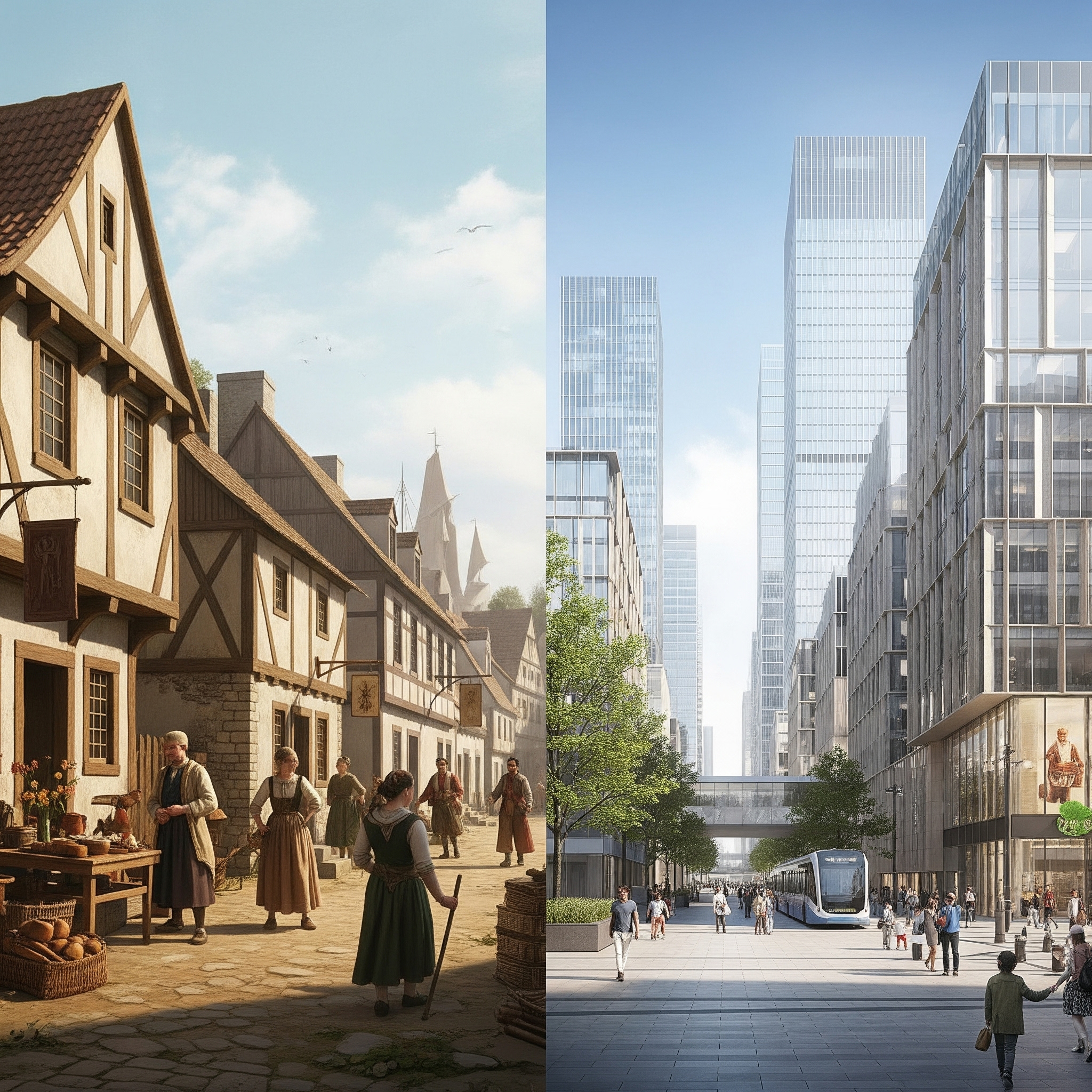
  • Urban Living Trends: The Future of Real Estate

    Urban Living Trends: The Future of Real Estate

    Urban living trends in real estate

    Introduction

    The real estate market is undergoing a significant transformation driven by evolving consumer preferences, technological advancements, demographic shifts, and the impact of global events. This article examines the current trends in urban living, with a particular focus on the growing demand for sustainable development, mixed-use spaces, and smart home technology. By understanding these trends, investors, developers, and homeowners can make informed decisions in today’s dynamic real estate landscape.

    The Rise of Sustainable Development

    Sustainability has emerged as a critical focus in real estate, with urban dwellers increasingly prioritizing environmentally friendly living spaces. This trend aligns with a broader societal shift toward sustainability as individuals and communities become increasingly aware of the impact of climate change and the importance of reducing their carbon footprints.

    Green Building Practices

    The construction industry is responding to this demand by integrating green building practices into new developments. These practices include utilizing eco-friendly materials, optimizing energy efficiency, and implementing renewable energy sources such as solar panels. According to the U.S. Green Building Council, buildings that adhere to sustainable standards can significantly reduce energy and water consumption, resulting in lower operational costs for both homeowners and tenants.

    Urban Green Spaces

    Moreover, urban planners are increasingly incorporating green spaces into city designs. Parks, green roofs, and community gardens not only enhance aesthetic appeal but also promote mental well-being and community interaction. A study published in the journal “Environmental Science & Technology” indicates that access to green spaces can improve residents’ quality of life, making them a desirable feature in residential developments.

    The Popularity of Mixed-Use Developments

    Another notable trend in the real estate market is the rise of mixed-use developments. These projects integrate residential, commercial, and recreational spaces into a single area, fostering a sense of community and convenience.

    Benefits of Mixed-Use Living

    Mixed-use developments cater to the modern consumer’s desire for walkability and accessibility. As urban populations grow, residents increasingly seek neighborhoods where they can live, work, and play without the need for extensive commuting. This trend is particularly evident in metropolitan areas where traffic congestion and long commutes have become significant concerns.

    Case Studies: Successful Mixed-Use Projects

    Cities such as New York, San Francisco, Miami, and Toronto have seen a surge in mixed-use developments. For instance, the Hudson Yards project in New York City exemplifies how integrating residential, commercial, and public spaces can create a vibrant community hub. Such developments not only attract residents but also enhance local economies by fostering business growth and increasing foot traffic.

    The Influence of Smart Home Technology

    As technology continues to evolve, smart home innovations are becoming increasingly prevalent in the real estate market. Homebuyers are now looking for properties equipped with smart technologies that enhance convenience, security, and energy efficiency.

    Features of Smart Homes

    Smart home technology encompasses devices such as smart thermostats, security systems, lighting controls, and home automation systems that can be remotely managed via smartphones. According to a report by the Consumer Technology Association, nearly 75% of U.S. households own at least one smart home device, indicating a growing consumer preference for tech-enhanced living environments.

    Implications for Real Estate

    For real estate developers, incorporating smart technology into new constructions can significantly increase property value and appeal to tech-savvy buyers. As demand for such features rises, properties equipped with smart technology are likely to command higher prices and attract a broader range of prospective buyers.

    Demographic Shifts and Urbanization

    Demographic trends, particularly the movement of millennials and Gen Z into urban areas, are reshaping the real estate market. Younger generations prioritize experiences over ownership, leading to increased demand for rental properties and smaller living spaces that offer flexibility and access to urban amenities.

    The Impact of Remote Work

    The COVID-19 pandemic has accelerated the shift towards remote work, prompting many individuals to reconsider their living arrangements. With the ability to work from anywhere, some are opting for suburban or rural living, seeking larger homes at lower costs. However, urban centers remain attractive due to their rich cultural offerings, diverse job opportunities, and strong social connectivity.

    Housing Affordability Challenges

    As urban areas continue to experience population growth, housing affordability has become a pressing issue. Many cities are grappling with how to provide affordable housing options while maintaining the character and vibrancy of their neighborhoods. Policymakers and developers are tasked with creating solutions that effectively address both supply and demand.

    Conclusion

    The real estate market is witnessing a profound evolution shaped by sustainability, technological advancements, and demographic shifts. The trends toward sustainable development, mixed-use living, and smart home technology reflect the changing preferences of urban dwellers, who seek convenience and a high quality of life. As these trends continue to develop, stakeholders in the real estate market must adapt their strategies to meet the demands of a new generation of homeowners and renters, ensuring that urban living remains accessible, attractive, and sustainable.

    Sources:
    IoT | Sieze Today. https://siezetoday.com/tag/iot/

    The Future of Composite Materials in Aerospace Industry: Emerging Trends and Innovations – SMI Composites. https://www.smicomposites.com/the-future-of-composite-materials-in-aerospace-industry-emerging-trends-and-innovations/
    Rebecca Wyatt – PARCEL Industry. https://parcelindustry.com/by-author-1507-1.html
    Sustainable Urban Planning: Building Livable Cities for the Future – Geeklybee. https://www.geeklybee.com/sustainable-urban-planning/
    Cao, Y., Song, X., & Wang, T. (2015). Development of an Energy-Aware Intelligent Facility Management System for Campus Facilities. Procedia Engineering. https://doi.org/10.1016/j.proeng.2015.08.446
    U.S. Green Building Council Announces Recipients of 2023 LEED Homes Awards | Weber Thompson. https://www.weberthompson.com/u-s-green-building-council-announces-recipients-of-2023-leed-homes-awards/
    Building Inclusive Cities: A Vision for Accessible and Equitable Urban Development. https://reflections.live/articles/18210/building-inclusive-cities-a-vision-for-accessible-and-equitable-urban-development-article-by-kamakshi-srimal-18923-m3stdvxe.html
    Canadian study finds banned cancer-causing chemicals in 88% of household products. https://health.news/2023-04-26-carcinogens-found-in-88percent-of-household-products.html
    The Current Real Estate Market Trends | CCW Photos. https://ccwphotos.com/29781-the-current-real-estate-market-trends-20/
    9 Trends Defining the Future of Luxury Homes – Luxarc. https://www.luxarc.in/blogs/news/9-trends-defining-the-future-of-luxury-homes
    Transform Your Space: Exploring the Latest Home Decor Trends of 2023 -. https://advantage1mtg.com/3452/transform-your-space-exploring-the-latest-home-decor-trends-of-2023
    Top 7 Features of Smart Homes Creating Trends in Real Estate | Elliot Adler. https://elliotadler.bravesites.com/entries/general/Top-7-Features-of-Smart-Homes-Creating-Trends-in-Real-Estate
    Nine Home Improvements to Modernize a Fixer-Upper – Merriment Maker by Uncustomary. https://uncustomary.org/nine-home-improvements-to-modernize-a-fixer-upper/
    Advanced Television | Tag Archive | nextgen. https://advanced-television.com/tag/nextgen/
    Why Build a Private Guest House on Your Property?. https://eastonhomes.com/blog/why-build-private-guest-house/
    (2023). Recognizing Excellence: Women in Secured Finance Profiles. The Secured Lender, 79(2), 14-16,18.
    Techsalerator. https://www.techsalerator.com/use-cases/urban-planning-and-infrastructure-development
    Technology Trends Transforming Freight Operations. https://www.technologytimesnow.com/technology-trends-transforming-freight-operations/